Trees work quietly in the background of everyday life — cleaning the air, sheltering wildlife, enriching soil and making the spaces people live in healthier and more bearable. More aspects of daily life depend on trees than most people realise, such as the food on the table, the air in our lungs, and the shade on a hot afternoon. Writing a save trees essay gives students a chance to reflect on exactly this — not as an abstract environmental topic but as something directly connected to how life functions. Every new tree adds value to the future, while caring for existing trees protects the benefits we already enjoy.
Trees: Nature’s Greatest Gift
Of all the resources nature provides, trees do the most quiet and consistent work. They absorb carbon dioxide, release oxygen, bear fruit, provide medicine and supply the wood and fibres countless industries depend on. Their value goes beyond any list — trees shape the quality of the environments people live in, making spaces cooler, cleaner and more liveable. At CBSE school in Nagpur, understanding the benefits of trees gives students a concrete starting point for thinking about why the natural world is worth protecting.
Why Every Tree Has a Purpose?
The importance of trees becomes clearer when you look at what each one actually does. Fruit trees feed people and animals, timber trees provide material that builds and furnishes, medicinal trees offer leaves and bark that have treated illness for centuries, and flowering trees draw in the bees and butterflies that keep ecosystems functioning. Even a tree past its productive years continues to shelter insects and birds that depend on it. No tree is without purpose — and removing any single one affects more of the surrounding environment than is immediately visible.
How Trees Help People Every Day?
The difference a tree makes to a street or neighbourhood is something most people feel before they can explain it. Shaded roads stay cooler in summer, green surroundings reduce dust, wind and road noise, and spaces with trees draw people in for walks and quiet that busy environments rarely offer. These everyday advantages are exactly why trees matter to every community — not just environmentally, but in the texture of daily life for everyone who lives nearby.
The Silent Work Trees Do for Our Planet
Trees do significant environmental work without any visible effort. Roots hold soil in place during heavy rain, leaves absorb harmful gases and trap dust, and stored carbon helps slow the effects of climate change. None of this happens dramatically — it happens consistently, every day, across every tree standing. The environmental importance of trees is difficult to overstate precisely because so much of what they do is invisible until it’s absent.
Why Forests Matter More Than Ever?
Forests are living ecosystems where plants, animals and other organisms depend on one another. They regulate rainfall, protect rivers, support biodiversity and provide food and medicine for communities that have relied on them for generations. As deforestation continues to shrink these systems, what’s lost goes far beyond the trees — a healthy forest keeps ecosystems functioning at a scale that individual trees simply cannot replicate.
The Relationship Between Trees and Wildlife
For most wildlife, trees aren’t scenery — they’re survival. Birds nest in branches, squirrels store food in trunks and countless species depend on the shelter trees provide through every season. When trees disappear, these animals don’t simply relocate — many have nowhere else to go. Every unnecessary tree removed takes something from species that had no say in the decision and no alternative waiting for them.
How Trees Shape a Healthier Future?
Greener surroundings make communities healthier in ways that go beyond appearance. Children who grow up near parks and gardens develop a natural connection with the environment that classroom lessons alone rarely build. At a top school in Nagpur where gardening, nature walks and outdoor learning are part of regular school life, something shifts — the environment stops being a topic and starts being something students feel genuinely responsible for.
What Happens When Trees Disappear?
Losing trees sets off consequences that aren’t always obvious until they’re already happening. Temperatures rise, soil weakens, flooding increases and air quality drops. Communities lose green spaces that made them liveable. These aren’t distant concerns — they affect daily life directly. Protecting existing trees matters just as much as planting new ones, because what’s already standing took decades to grow.
Small Actions That Help Protect Trees
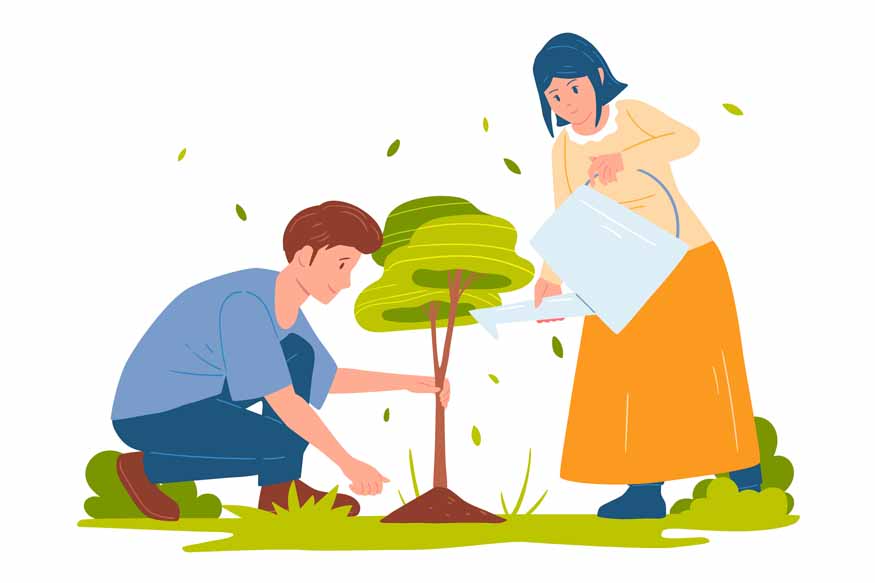
Caring for trees doesn’t require grand gestures. Watering young plants, avoiding damage to trunks, using paper thoughtfully and recycling all add up. Supporting local green projects or joining a neighbourhood clean-up makes environmental responsibility feel immediate rather than abstract. When families, schools and communities take this on together, tree care becomes something people are genuinely invested in rather than something left to others.
Why Tree Plantation Alone Is Not Enough?
Planting a tree is the beginning, not the achievement. Saplings need regular watering and protection — many fail simply because attention stops after planting day. Mature trees deserve the same consideration, already doing work that newly planted ones won’t manage for years. A well-rounded CBSE School Curriculum combines environmental education with hands-on conservation, helping students understand the importance of protecting existing trees as well as planting new ones.
Teaching Kids to Respect Nature and Take Care of Trees
Early-formed values typically remain. Youngsters who are taught the importance of trees through practical experiences frequently carry that understanding into adulthood. Direct contact with nature teaches lessons that are difficult to learn from books alone. CBSE Schools in Katol Road encourage activities such as nature walks, gardening and environmental programmes, giving students the chance to develop a genuine sense of responsibility towards the environment through real-life experiences. Visit to know more about Photosynthesis for Kids explained
FAQs
1. What makes trees valuable?
Trees provide us with food, shade, clean air, and a healthy atmosphere.
2. How do trees benefit the environment?
They preserve air quality, safeguard the soil, and promote biodiversity.
3. What can children do for trees?
They can avoid wasting paper, plant trees, and take care of them.
4. Why should we preserve old trees?
Older trees give more shade and support numerous birds and animals.
5. How can schools educate kids about trees?
Through planting trees, gardening, and taking nature walks.
Conclusion
Trees support life in countless ways, from improving air quality to protecting wildlife and keeping the environment balanced. Their value reaches far beyond what we can easily see. By planting new trees, caring for existing ones and teaching children to respect nature, we all contribute to a healthier and more sustainable future. Even small actions taken today can help ensure that future generations continue to enjoy the many gifts that trees provide.
Centre Point School, one of the trusted CBSE schools in Katol Road, believes that understanding the environment is as important as any subject on the timetable. Students are encouraged to engage with the natural world in ways that go beyond textbook knowledge. For families exploring CBSE school admission in Nagpur, this is a school where academic growth and environmental responsibility are developed together — not as separate priorities.